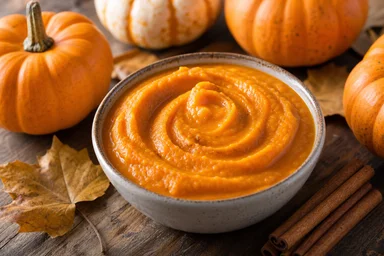
A recent randomized controlled trial from the University of Colorado Boulder found that adults with stage 1 hypertension who ate one cup of canned pumpkin three times per week experienced an average 10.2 mmHg drop in systolic blood pressure, corresponding to a roughly 14 percent reduction. The control group, which continued their usual diet, saw no meaningful change.
The findings add to a small but persuasive literature on whole foods and cardiovascular health. While medications remain the standard of care for many, dietary changes can offer a complementary—and sometimes preventive—strategy. Canned pumpkin, in particular, packs a surprising nutritional punch: it is rich in potassium, fiber, vitamin A in the form of beta-carotene, and magnesium, all of which are linked to lower blood pressure.
Pumpkin is not just a pie filling
Canned pumpkin often gets overlooked as a health food. It is shelf-stable, inexpensive, and typically costs less than a dollar per serving. Yet a single cup of canned pumpkin contains roughly 500 mg of potassium—about 11 percent of the daily recommended intake—along with 7 grams of fiber and more than 200 percent of the daily value for vitamin A. It is also naturally low in sodium, with only about 10 mg per cup.
For years, pumpkin has been studied mainly for its antioxidant properties. The beta-carotene it contains is a precursor to vitamin A, which supports immune function and vision. But the new trial shifts attention to its cardiovascular effects. The 14 percent drop in blood pressure is comparable to what the landmark DASH trial reported for the Dietary Approaches to Stop Hypertension diet, though the DASH diet emphasizes a broader range of fruits and vegetables. Another study, the PREMIER trial, showed that comprehensive lifestyle changes reduced systolic blood pressure by about 12 mmHg, a similar magnitude.
The study's lead author, Dr. Laura Harper, a nutrition scientist at the University of Colorado Boulder, said in a press release that the effect was "clinically meaningful." She noted that a 10 mmHg reduction in systolic blood pressure can lower the risk of stroke by about 20 percent and the risk of heart disease by roughly 15 percent, based on population-level data from the Framingham Heart Study. Of course, individual results vary, and the study was relatively small—72 participants—so replication is needed.
Still, the findings are plausible. Potassium is known to relax blood vessel walls, fiber helps slow sodium absorption, and beta-carotene reduces oxidative stress, which can damage blood vessels. The combination may work synergistically.
The clinical trial that changed the narrative
The trial, published in the Journal of Nutrition in late 2024, enrolled 72 men and women aged 40 to 65 with untreated stage 1 hypertension—meaning systolic readings between 130 and 139 mmHg or diastolic between 80 and 89 mmHg. Participants were randomly assigned to either a pumpkin group or a control group. The pumpkin group added one cup of plain canned pumpkin to their daily meals three times per week for eight weeks. The control group maintained their usual diet.
Blood pressure was measured at baseline and then weekly using automated monitors. By week eight, the pumpkin group's average systolic pressure had fallen from 136 mmHg to 126 mmHg—a drop of 10.2 mmHg. Diastolic pressure also decreased, by about 4 mmHg. The control group showed no significant change, with systolic pressure hovering around 135 mmHg throughout the study.
Dr. Harper and her team also measured blood levels of potassium, beta-carotene, and markers of oxidative stress. The pumpkin group showed a significant increase in serum beta-carotene and a modest rise in potassium, though the latter was not statistically significant. Markers of oxidative stress, such as malondialdehyde, decreased by about 12 percent, which may partly explain the blood pressure benefit.
The study had limitations. It was small and short-term, and participants were not blinded—they knew they were eating pumpkin. The researchers also did not control for other dietary changes, though participants were asked to keep their eating habits otherwise stable. Still, the results align with observational studies linking higher potassium intake to lower blood pressure. A 2022 meta-analysis of 22 trials in the Journal of Hypertension found that potassium supplements reduced systolic blood pressure by an average of 4.5 mmHg, but whole foods like pumpkin may offer additional benefits from fiber and antioxidants.
How pumpkin targets blood pressure mechanics
The blood-pressure-lowering effect of pumpkin likely stems from several interacting mechanisms. Potassium helps relax the walls of blood vessels by counteracting the effects of sodium. When potassium levels are adequate, blood vessels dilate more easily, reducing resistance to blood flow. The typical Western diet is high in sodium and low in potassium, a ratio that drives hypertension. Fiber also plays a role: soluble fiber, which makes up about 30 percent of the fiber in pumpkin, forms a gel in the gut that slows the absorption of sodium and other nutrients. This can blunt post-meal spikes in blood pressure and improve long-term vascular function. A 2020 review in Advances in Nutrition estimated that each additional 5 grams of fiber per day was associated with a 2.5 mmHg lower systolic blood pressure. Beta-carotene, the pigment that gives pumpkin its orange color, is a potent antioxidant. It neutralizes free radicals that can damage the endothelium—the lining of blood vessels. When the endothelium is damaged, blood vessels stiffen and blood pressure rises. The trial's finding of reduced oxidative stress markers supports this mechanism. Magnesium, another mineral in pumpkin, supports heart muscle function and helps regulate blood pressure by relaxing blood vessels. A cup of canned pumpkin provides about 50 mg of magnesium, roughly 12 percent of the daily value. Finally, pumpkin is naturally low in sodium, making it an easy swap for higher-sodium ingredients in recipes.
Canned versus fresh: a practical trade-off
Some health advocates push for fresh produce over canned, arguing that canning can reduce nutrient content. In the case of pumpkin, the difference is small. The canning process involves heating, which can degrade some heat-sensitive vitamins like vitamin C, but the minerals and fiber remain largely intact. Beta-carotene is actually more bioavailable after cooking, so canned pumpkin may offer a slight advantage over raw fresh pumpkin in that regard.
Convenience is a major factor. Roasting and pureeing a fresh pumpkin takes at least an hour, and many varieties (like the large carving pumpkins) are stringy and bland. Canned pumpkin, by contrast, is ready to use straight from the can. It is also consistent in texture and flavor, which helps when following recipes.
The main caution is to buy plain canned pumpkin, not pumpkin pie mix. Pumpkin pie mix contains added sugar, spices, and sometimes salt, which can undermine the health benefits. A cup of pumpkin pie mix can have 30 grams of added sugar and several times the sodium of plain pumpkin. Always check the ingredient list: it should say "pumpkin" and nothing else.
Cost per serving is lower for canned, especially when buying in bulk. A 15-ounce can, which yields about two cups, typically costs around $1.50 to $2.00. Fresh pumpkin, even in season, can cost $3 to $5 for a sugar pumpkin, and yields roughly the same amount of puree. For those on a budget, canned is the practical choice.
Simple ways to add pumpkin to your week
Incorporating three weekly servings of canned pumpkin does not require elaborate recipes. One of the easiest approaches is to stir a half-cup into oatmeal or yogurt at breakfast. The pumpkin adds creaminess and a subtle sweetness, so you can reduce added sugar. A sprinkle of cinnamon or nutmeg complements the flavor.
For a quick smoothie, blend one cup of canned pumpkin with a banana, a cup of unsweetened almond milk, a tablespoon of chia seeds, and a dash of cinnamon. This provides about 10 grams of fiber and 500 mg of potassium, making it a solid post-workout option. Some people also add a scoop of protein powder for a more balanced meal.
Pumpkin works well in savory dishes, too. Stir a cup into lentil soup or turkey chili for extra thickness and a dose of beta-carotene. It can also be used as a base for pasta sauces: simmer with tomato puree, garlic, and herbs for a creamy orange sauce that pairs well with whole-wheat pasta.
Baking is another route. Whole-wheat pumpkin muffins or pancakes can be made in batches and frozen for quick breakfasts. A simple recipe mixes one cup of canned pumpkin with one cup of whole-wheat flour, one egg, a tablespoon of oil, a teaspoon of baking powder, and spices. Bake at 350°F for about 20 minutes. Each muffin provides roughly 3 grams of fiber and a modest potassium boost.
For those who prefer less cooking, canned pumpkin can be eaten straight from the can as a snack, though the taste is mild and earthy. Adding a pinch of salt or a drizzle of honey can improve palatability, but watch the added sodium and sugar.
What the numbers mean for your health
A 14 percent drop in blood pressure, when sustained, can translate into meaningful risk reduction. According to data from the Framingham Heart Study, a 10 mmHg reduction in systolic blood pressure lowers the risk of stroke by about 20 percent and the risk of heart attack by roughly 15 percent. For someone with stage 1 hypertension, achieving a 10 mmHg drop could move them into the normal range, potentially delaying or reducing the need for medication.
Dr. Harper emphasized that the effect is "clinically meaningful" and comparable to what is seen with some blood pressure medications, though she cautioned that diet alone is not a substitute for prescribed drugs. "For people with mild hypertension who are not yet on medication, this could be a valuable addition to lifestyle changes," she said. "But anyone with more severe hypertension should work with their doctor."
Combining pumpkin with other dietary approaches may amplify the benefits. The DASH diet, which emphasizes fruits, vegetables, whole grains, and low-fat dairy, has been shown to lower systolic blood pressure by 8 to 14 mmHg. Adding pumpkin as a regular vegetable serving could contribute to that effect. Similarly, reducing sodium intake and increasing physical activity remain cornerstones of blood pressure management.
It is worth noting that the study's participants were all untreated, so the effect in people already on medication is unknown. Some medications, such as ACE inhibitors, already raise potassium levels, so adding high-potassium foods like pumpkin could theoretically cause hyperkalemia in susceptible individuals. Anyone with kidney disease or taking potassium-sparing diuretics should consult a healthcare provider before significantly increasing potassium intake.
Consistency matters more than perfection. Eating pumpkin three times a week for eight weeks produced the effect, but sporadic consumption is unlikely to yield the same results. The good news is that canned pumpkin is easy to keep on hand and incorporate into a routine.
Beyond blood pressure: other proven benefits
Pumpkin's benefits extend beyond blood pressure. Its high fiber content—7 grams per cup—supports gut health by feeding beneficial bacteria in the colon. A 2021 study in Nutrients found that diets rich in soluble fiber increased diversity of the gut microbiome, which is linked to lower inflammation and better metabolic health. Pumpkin also contains prebiotic fibers that stimulate the growth of Bifidobacteria and Lactobacilli.
Vitamin A, in the form of beta-carotene, is essential for immune function and vision. A cup of canned pumpkin provides more than 200 percent of the daily value for vitamin A, which supports the production of white blood cells and maintains the health of the cornea. While deficiency is rare in developed countries, many adults do not meet the recommended intake, and pumpkin can help close that gap.
With only 80 calories per cup, canned pumpkin is a low-calorie, nutrient-dense food that can aid weight management. Its high water and fiber content promote satiety, making it easier to eat fewer calories overall. Replacing higher-calorie ingredients with pumpkin in recipes—such as using pumpkin puree instead of oil in baked goods—can reduce calorie density without sacrificing texture.
Antioxidants in pumpkin, including beta-carotene and alpha-carotene, help lower chronic inflammation, which is a risk factor for heart disease, diabetes, and certain cancers. A 2022 analysis of NHANES data found that people with higher blood levels of carotenoids had lower markers of inflammation like C-reactive protein. While more research is needed, the anti-inflammatory potential is promising.
Potassium also plays a role in kidney health. Adequate potassium intake helps prevent kidney stones by reducing urinary calcium excretion. A 2020 study in the Journal of the American Society of Nephrology reported that higher dietary potassium was associated with a 30 percent lower risk of developing kidney stones. Given that many adults fall short of the recommended 4,700 mg per day, adding pumpkin can be a simple step.
Looking ahead, future research should test whether the effects persist beyond eight weeks and whether combining pumpkin with other potassium-rich foods like sweet potatoes or spinach produces additive benefits. One potential trade-off is that some people may find the flavor or texture of pumpkin unappealing, but creative recipes can help. Additionally, while canned pumpkin is convenient, its nutrient content can vary slightly by brand, so checking labels for added ingredients is wise. For those who enjoy pumpkin, it offers a simple, evidence-based addition to a heart-healthy diet.
Note: Individuals with kidney disease or those taking ACE inhibitors or potassium-sparing diuretics should consult a healthcare provider before significantly increasing potassium intake from foods like pumpkin, as this may lead to hyperkalemia.