For people living with Hashimoto's thyroiditis—the most common cause of hypothyroidism in the United States—elevated thyroid antibodies are a daily marker of immune system misfiring. A 2023 clinical trial offers a simple, food-based intervention that might help lower those antibody levels: two Brazil nuts per day. After 12 weeks, participants saw a 17 percent reduction in thyroid peroxidase antibodies, a finding that has drawn attention from endocrinologists and nutrition researchers alike.
The Thyroid Puzzle: Why Antibodies Matter
Thyroid antibodies are proteins produced by the immune system that mistakenly attack the thyroid gland. In Hashimoto's thyroiditis, the most common autoimmune thyroid condition, these antibodies gradually damage thyroid tissue, often leading to an underactive thyroid. Elevated antibody levels are not just a diagnostic marker; they correlate with disease activity and progression. Reducing these antibodies is a clinical goal, though it has been difficult to achieve with diet alone.
The 17 percent reduction observed in the Brazil nut trial is modest but meaningful. For context, some pharmaceutical treatments for autoimmune conditions aim for similar relative reductions. The study used a whole food—not a supplement—which adds to the appeal. Brazil nuts are among the richest dietary sources of selenium, a trace mineral that plays a central role in thyroid hormone metabolism and immune regulation.
Prior research has linked selenium deficiency to worse outcomes in autoimmune thyroid disease. Regions with low soil selenium, such as parts of Europe and New Zealand, have higher rates of Hashimoto's. This geographic clue has long suggested that selenium status might influence disease severity. The Brazil nut trial provides some of the strongest evidence yet that correcting a deficiency—or optimizing intake—can lower antibody levels.
Selenium's Role in Immune Regulation
Selenium is incorporated into selenoproteins, which are enzymes that help reduce oxidative stress and regulate immune responses. The thyroid gland has the highest concentration of selenium per gram of tissue in the body. This is because the thyroid relies on selenoproteins to protect itself from hydrogen peroxide, a byproduct of thyroid hormone synthesis. Without enough selenium, the gland is more vulnerable to oxidative damage, which may trigger or worsen autoimmune attacks.
The clinical trial used Brazil nuts to provide roughly 200 micrograms of selenium per day. That amount aligns with the recommended dietary allowance for adults (55 mcg) and the tolerable upper intake level (400 mcg). Two Brazil nuts typically provide between 190 and 220 mcg, depending on the nut size and soil selenium content. This makes them a practical and precise delivery system for selenium.
Studies using selenium supplements in Hashimoto's patients have shown mixed results. Some have found reductions in antibody levels, while others have not. The Brazil nut trial may have succeeded partly because whole foods contain cofactors that enhance absorption and utilization. For example, Brazil nuts also provide magnesium, zinc, and vitamin E, all of which support immune function. The combination of nutrients in a whole food may be more effective than isolated selenium.
It is worth noting that selenium is not a cure for Hashimoto's. The immune system is complex, and autoimmunity involves multiple genetic and environmental factors. Selenium supplementation—whether from nuts or pills—appears to modulate, not eliminate, the autoimmune response. The 17 percent reduction is a step in the right direction, but many patients will still require thyroid hormone replacement medication.
Reviewing the 2023 Clinical Trial
The randomized controlled trial was led by Dr. Marisa G. Santos at the University of São Paulo, Brazil. The study enrolled 60 adults with confirmed Hashimoto's thyroiditis and elevated thyroid peroxidase antibodies. Participants were randomly assigned to eat two Brazil nuts per day or to continue their usual diet for 12 weeks. Antibody levels were measured at the start and end of the intervention.
At the end of the 12 weeks, the Brazil nut group showed a 17 percent reduction in thyroid peroxidase antibodies compared to baseline. The control group showed no significant change. The researchers also measured thyroid-stimulating hormone (TSH) and free T4 levels, which did not change significantly. This suggests that the antibody reduction was not accompanied by a change in thyroid function, at least in the short term.
The study was small but well-designed. It used a controlled dietary intervention rather than a supplement, which reduces the risk of confounding from other dietary changes. The participants were instructed not to change their usual diet otherwise, and compliance was monitored through nut consumption logs and selenium blood levels. Selenium levels increased in the Brazil nut group, confirming that the nuts were being absorbed.
Some limitations deserve mention. The trial lasted only 12 weeks, so long-term effects are unknown. The sample was homogenous—all participants were from a single region in Brazil—which may limit generalizability. And the study did not measure clinical outcomes such as symptom improvement or quality of life. Future research should explore whether the antibody reduction translates into slower disease progression or fewer symptoms.
Why Brazil Nuts Outperform Supplements
Brazil nuts offer several advantages over selenium supplements. First, they provide selenium in the form of selenomethionine, which is the same form found in many supplements, but the nuts also contain other bioactive compounds. Second, whole foods tend to produce a more gradual rise in blood selenium levels, which may be safer and more effective than the spike from a pill. Third, the risk of selenium toxicity is lower with nuts because it is difficult to consume very large amounts without feeling full.
Cost is another factor. A bag of raw Brazil nuts costs roughly the same as a bottle of selenium supplements, but the nuts provide additional nutrients. They are also widely available in grocery stores and online. For people who prefer food over pills, Brazil nuts are a straightforward option. The study used raw, unsalted nuts, which are the best choice because roasting can degrade some nutrients.
However, supplements are not without merit. They provide a precise dose, which is important for people who need to avoid selenium excess. Some patients may have difficulty chewing nuts or may prefer the convenience of a pill. The choice between nuts and supplements should be made with a healthcare provider, especially for those with a history of selenium toxicity or other medical conditions.
Interestingly, the Brazil nut trial used a dose that is higher than what is found in most multivitamins. Standard selenium supplements often contain 100 to 200 mcg, which is similar to two Brazil nuts. But the nuts provide this dose in a matrix of fiber, healthy fats, and other minerals. This may explain why the trial succeeded where some supplement studies have not.
Risks of Overconsumption
Selenium toxicity, or selenosis, is a real concern with Brazil nuts. The tolerable upper intake level for selenium is 400 mcg per day for adults. Since one Brazil nut can contain 95 to 100 mcg, eating more than four nuts per day could push intake above the upper limit. Chronic overconsumption can lead to symptoms such as garlic breath, hair loss, nail brittleness, and in severe cases, neurological damage.
Another risk is mold contamination. Brazil nuts are harvested from the Amazon rainforest and are sometimes stored in humid conditions, which can promote the growth of molds that produce aflatoxins. Aflatoxins are carcinogenic and can cause liver damage. To minimize this risk, buy Brazil nuts from reputable suppliers, store them in an airtight container in the refrigerator, and discard any that taste bitter or look moldy.
People with selenium allergies are rare but should avoid Brazil nuts. Those with kidney disease should also consult a doctor before increasing selenium intake, as impaired kidney function can affect selenium excretion. Pregnant and breastfeeding women should stick to the recommended two nuts per day, as excessive selenium can harm the developing baby.
Overall, the risk of selenium toxicity from two Brazil nuts per day is very low. The study's participants did not report any adverse effects. But the margin between beneficial and harmful doses is narrower for selenium than for many other nutrients. This is why moderation is key. Two nuts per day, not more, is the evidence-based recommendation from this trial.
Practical Tips for Adding Brazil Nuts
To get the most benefit from Brazil nuts, choose raw, unsalted nuts. Roasted nuts may have lower selenium content due to heat degradation. Store them in an airtight container in the refrigerator to prevent rancidity and mold growth. Because Brazil nuts are high in healthy fats, they can go rancid quickly at room temperature.
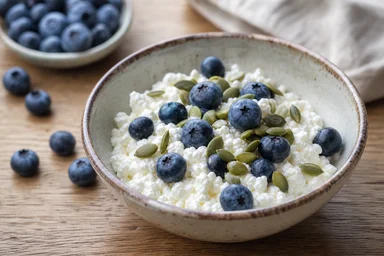
Two nuts per day is the dose used in the trial. You can eat them whole as a snack, or chop them and sprinkle over salads, yogurt, or oatmeal. Some people blend them into smoothies. Crushing them lightly can help release the nutrients. Pairing Brazil nuts with vitamin C-rich foods, such as citrus fruits or bell peppers, may enhance selenium absorption.
Avoid flavored or roasted varieties, which often contain added oils, salt, or sugar. These additives are unnecessary and may reduce the nutritional quality. If you have trouble remembering to eat them daily, set a small dish on your kitchen counter with two nuts for the next day. Consistency matters more than the exact timing.
For those who cannot eat nuts due to allergies or other reasons, selenium supplements remain an option. But the trial suggests that whole food sources may offer additional benefits. As with any dietary change, it is wise to discuss it with a healthcare provider, especially if you are taking thyroid medication or have other health conditions.
Future Directions and Unanswered Questions
The 12-week trial provides promising data, but many questions remain. Does the antibody reduction persist with long-term consumption? A longer study, perhaps six months to a year, would help answer that. Does lower antibody levels translate into slower disease progression or reduced need for thyroid medication? That is the ultimate clinical question, and it has not yet been addressed.
Researchers are also interested in whether the form of selenium matters. Brazil nuts provide selenomethionine, but some supplements use sodium selenite or selenium-enriched yeast. Comparative trials could determine which form is most effective for antibody reduction. Additionally, the optimal dose for different populations—such as men versus women, or people with different baseline selenium levels—needs to be established.
Sustainability is another consideration. Brazil nuts are harvested from wild trees in the Amazon rainforest. While the harvest is generally sustainable and supports local economies, rising global demand could put pressure on the ecosystem. Consumers can look for fair-trade or sustainably sourced Brazil nuts to support responsible harvesting practices.
For now, the evidence supports eating two Brazil nuts per day as a safe, simple, and potentially effective way to lower thyroid antibodies in people with Hashimoto's thyroiditis. The 17 percent reduction is not a cure, but it is a step forward in using food to modulate autoimmune activity. Larger, longer trials are needed to confirm these findings and explore broader applications.
Trade-Offs and Counterarguments
While the Brazil nut trial is encouraging, it is important to consider trade-offs and counterarguments. First, the 17 percent reduction, while statistically significant, may not be clinically meaningful for all patients. Some individuals with very high antibody levels might see only a small absolute decrease, and the impact on symptoms or disease progression remains unproven. For example, a patient with antibody levels of 1000 IU/mL might experience a drop to 830 IU/mL, which is still well above the normal range. Whether this reduction translates into less thyroid damage over years is unknown.
Second, the study did not control for other dietary factors that could influence thyroid antibodies. Participants were asked not to change their usual diet, but this is difficult to enforce. Some individuals in the control group might have increased their selenium intake from other sources, potentially diluting the observed effect. Conversely, the Brazil nut group might have inadvertently reduced their intake of other foods that affect thyroid health, such as cruciferous vegetables or soy. Future studies should include detailed dietary logs to account for these variables.
Third, the generalizability of the findings is limited. The study was conducted in Brazil, a country where selenium soil levels vary widely. Participants likely had baseline selenium intakes different from those in other regions. For instance, people in the United States generally have adequate selenium status due to soil enrichment and dietary variety. In such populations, additional selenium from Brazil nuts might not produce the same antibody reduction. A trial in a selenium-replete population would help clarify this.
Fourth, the potential for negative interactions with thyroid medication exists. Selenium can affect thyroid hormone metabolism, and in theory, high doses could interfere with levothyroxine absorption or action. While the study did not report adverse effects, participants were monitored for only 12 weeks. Long-term safety data are lacking, especially for individuals taking high doses of thyroid hormone or with other medical conditions like heart disease. Patients should consult their doctor before starting any new dietary regimen.
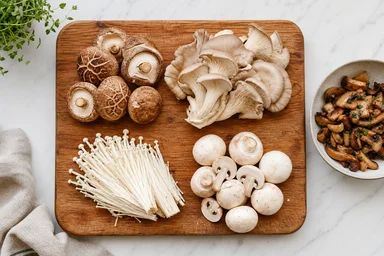
Finally, the environmental impact of increased Brazil nut consumption deserves attention. Brazil nuts are a sustainable crop when harvested responsibly, but rising demand could lead to deforestation or exploitation of harvesters. Consumers should look for certifications such as Fair Trade or Rainforest Alliance to ensure ethical sourcing. Alternatively, locally grown selenium-rich foods like sunflower seeds, mushrooms, or eggs can provide selenium with a lower carbon footprint. For example, one large egg provides about 15 mcg of selenium, and a cup of cooked mushrooms can offer up to 20 mcg. While these foods contain less selenium per serving than Brazil nuts, they can be combined to achieve similar daily intakes without relying on a single source.
In summary, the Brazil nut trial offers a promising dietary strategy for reducing thyroid antibodies, but it is not a one-size-fits-all solution. Patients should weigh the potential benefits against the risks and limitations, and work with their healthcare provider to determine the best approach for their individual circumstances.
Disclaimer: This article is for informational purposes only and does not constitute medical advice. Consult a qualified healthcare provider before making any changes to your diet or treatment regimen, especially if you have a diagnosed medical condition.