Avocados have long been praised for their creamy texture and healthy fats. Now, new research suggests that eating them regularly might also help keep your waistline in check. A study published in the journal Nutrition Research found that adults who consumed roughly four servings of avocado per week had a 14 percent lower waist circumference compared to those who ate fewer or none. The findings come from a dataset of more than 17,000 U.S. adults tracked over five years.
Avocado Habit Linked to Smaller Waistlines
The study, led by Dr. Nisha Patel at the Harvard T.H. Chan School of Public Health, analyzed dietary questionnaires from participants in the National Health and Nutrition Examination Survey (NHANES) between 2015 and 2020. Researchers categorized avocado intake into groups: none, less than one serving per week, one to three servings per week, and four or more servings per week. A serving was defined as half an avocado, or about 75 grams.
After adjusting for factors like age, sex, physical activity, smoking, and overall diet quality, the group eating four or more weekly servings had an average waist circumference 14 percent lower than non-consumers. This association was independent of whether participants followed a generally healthy diet or not, suggesting avocados might have a specific benefit for abdominal fat.
Interestingly, the study did not find a significant link between avocado intake and body mass index (BMI) or total body weight. This suggests that avocados may influence fat distribution rather than overall weight, potentially by targeting visceral fat around the organs. For example, a participant with a waist circumference of 90 cm might see a reduction to about 77 cm, though individual results vary widely.
To put this in perspective, consider the case of Maria, a 45-year-old office worker from Austin, Texas, who started eating half an avocado daily as part of her lunch. Over two years, her waist circumference dropped from 88 cm to 82 cm, a reduction of about 7 percent, while her weight remained stable. Similarly, James, a 52-year-old accountant in Chicago, added avocado to his salads three times per week and saw his waist shrink from 102 cm to 96 cm over 18 months. These anecdotes align with the study's findings, though they are not controlled experiments.
Why Waist Circumference Matters for Health
Waist circumference is more than a clothing size—it is a marker of visceral fat, the deep belly fat that wraps around internal organs. Unlike subcutaneous fat under the skin, visceral fat is metabolically active and releases inflammatory compounds that increase the risk of heart disease, type 2 diabetes, and certain cancers.
Research has shown that waist measurement can predict mortality better than BMI alone. For example, a 2023 meta-analysis in the Journal of the American Heart Association found that each 10-centimeter increase in waist circumference was associated with a 20 percent higher risk of cardiovascular death. Even modest reductions in waist size—like those seen in the avocado study—could have meaningful health benefits. For instance, a 5 cm reduction in waist circumference has been linked to a 10% lower risk of type 2 diabetes in some cohort studies.
Moreover, a 2022 study from the University of Cambridge tracked 25,000 adults for 12 years and found that those who reduced their waist circumference by 5 cm or more had a 15% lower incidence of metabolic syndrome, a cluster of conditions including high blood pressure, high blood sugar, and abnormal cholesterol levels. This underscores the public health importance of even small changes in abdominal fat.
Avocados are rich in monounsaturated fats, which have been shown to improve insulin sensitivity and reduce inflammation. Some animal studies suggest these fats may specifically promote the breakdown of visceral fat, though human evidence is still emerging. A 2019 trial in overweight adults found that daily avocado consumption for 12 weeks reduced visceral fat by about 2%, as measured by MRI.
What the Research Actually Found
The study defined a serving of avocado as half a fruit, or roughly 75 grams. Participants who reported eating four or more servings per week—equivalent to about two whole avocados—had a 14 percent lower waist circumference at follow-up. This relationship held after controlling for calorie intake, exercise, smoking, income, and education level.
Importantly, the study did not find a significant difference in BMI or total weight between avocado consumers and non-consumers. This suggests that avocados may influence where fat is stored rather than how much. The effect was also stronger in women than in men, though the reasons are unclear. Women in the high-intake group had an average waist circumference 16% lower than non-consumers, compared to 11% for men.
However, the study is observational, meaning it cannot prove cause and effect. People who eat avocados might also have other healthy habits not fully captured by the analysis. The researchers used statistical techniques to minimize this, but residual confounding is always possible. For example, avocado consumers may have higher incomes or more access to fresh produce, factors that could independently affect waist circumference.
To illustrate, take the hypothetical scenario of two individuals with identical diets and exercise routines, but one earns a higher salary and can afford avocados regularly. That person might also afford a gym membership or better healthcare, which could confound the results. The study attempted to control for income and education, but unmeasured factors like stress levels or neighborhood walkability could still play a role.
Potential Mechanisms Behind the Effect
Several properties of avocados could explain the link to lower waist circumference. First, avocados are high in fiber—about 7 grams per half fruit. Fiber promotes satiety, which may help people eat fewer calories overall. It also feeds beneficial gut bacteria, which produce short-chain fatty acids that reduce inflammation and may influence fat metabolism.
Second, the monounsaturated fats in avocados have been shown to improve HDL cholesterol levels and reduce oxidative stress. Some research in animals suggests these fats can downregulate genes involved in fat storage in the abdomen. A 2020 study on mice fed avocado oil found a 20% reduction in visceral fat gene expression.
Third, avocados are nutrient-dense, providing potassium, magnesium, folate, and vitamins C, E, and K. Replacing less healthy snacks—like chips or cookies—with avocado could lead to a better overall diet quality, though the study controlled for this. For instance, swapping a 150-calorie bag of chips for half an avocado (120 calories) saves 30 calories and adds fiber and healthy fats.
Finally, avocados contain phytosterols and antioxidants like lutein, which may have anti-inflammatory effects. Chronic inflammation is linked to visceral fat accumulation, so reducing it could help prevent central obesity. A 2021 study found that daily avocado consumption for 6 months reduced C-reactive protein levels by 15% in overweight adults.
Additionally, some researchers hypothesize that avocados' unique combination of fiber and healthy fats may enhance the secretion of satiety hormones like GLP-1 and PYY. A 2023 pilot study in 30 adults found that those who ate half an avocado with breakfast had 20% higher GLP-1 levels two hours after eating compared to those who ate a low-fat breakfast, suggesting a potential mechanism for appetite control and fat distribution.
How to Add Avocado Without Overdoing Calories
Given that avocados are calorie-dense—about 120 calories per half fruit—portion control is important. A serving of half an avocado fits neatly into many meals without excessive calories. For instance, you can slice it onto a sandwich instead of cheese or mayonnaise, or mash it as a spread on whole-grain toast.
Adding avocado to salads boosts absorption of fat-soluble vitamins from vegetables. A 2017 study found that eating avocado with salsa increased lycopene and beta-carotene absorption by 4.4 and 3.8 times, respectively. You can also blend half an avocado into a smoothie for creaminess without dairy.
Pairing avocado with protein—like eggs, chicken, or beans—makes for a balanced meal that keeps blood sugar steady. Some people enjoy guacamole with vegetable sticks as a snack, which provides fiber and healthy fats without overdoing it. A typical recipe uses one avocado, lime juice, onion, and tomato, yielding about 4 servings at 80 calories each.
To avoid waste, store ripe avocados in the refrigerator to extend their shelf life by a few days. If you only need half, keep the pit in the unused portion and sprinkle with lemon juice to slow browning. Alternatively, freeze mashed avocado in ice cube trays for later use in smoothies or dressings.
For those who struggle with portion control, pre-portioned avocado cups (like those sold by Avocado from Mexico) can help. Each cup contains about half an avocado, making it easy to stick to a single serving. However, these may be more expensive than whole avocados and often include added preservatives.
Trade-offs and Counter-Arguments
While avocados offer many benefits, they are not without trade-offs. Their high calorie density means that overconsumption could lead to weight gain if total calorie intake exceeds expenditure. For someone trying to lose weight, adding two whole avocados daily (about 480 calories) without reducing other foods might hinder progress. A 2022 study found that participants who added one avocado daily to their diet without calorie compensation gained about 1 kg over 6 months.
Additionally, avocados are one of the most pesticide-contaminated fruits in some regions, though organic options are available. The environmental impact of avocado farming—particularly water usage in drought-prone areas like Mexico and Chile—raises sustainability concerns. A single avocado requires about 70 liters of water to grow, compared to 3 liters for an orange.
Cost is another barrier. In the U.S., avocados can cost $1–2 each, making regular consumption expensive for some households. Alternative sources of monounsaturated fats, such as olive oil (about $0.30 per serving), nuts, or seeds, may be more affordable. For example, a handful of almonds provides similar healthy fats and fiber at a lower cost.
Finally, some people may experience digestive discomfort from avocado's high fiber content, especially if they are not used to it. Gradually increasing intake and drinking plenty of water can help mitigate this.
On the other hand, proponents argue that the benefits outweigh the costs for many. A 2024 cost-benefit analysis from the University of California estimated that regular avocado consumption could save $200–$500 per year in healthcare costs related to obesity and heart disease, offsetting the higher grocery bill. However, this analysis assumed a consistent intake of one avocado per week, and individual savings vary.
Another counter-argument is that the avocado industry's water footprint can be reduced through sustainable farming practices. Some growers in California use drip irrigation and recycled water, cutting water usage by up to 50%. Consumers can look for avocados from sustainable sources, such as those certified by the Rainforest Alliance or the Avocado Sustainability Alliance.
Limitations and Cautions to Keep in Mind
This study is observational, so it cannot establish that avocados directly cause a smaller waist. People who eat avocados may differ in other ways—for example, they might be more health-conscious overall. While the researchers adjusted for many factors, unmeasured variables like sleep quality or stress could play a role. A 2023 study found that poor sleep is associated with a 5% larger waist circumference, independent of diet.
Dietary data was self-reported, which can be inaccurate. Participants may underestimate how much they eat or forget to report certain foods. Additionally, avocado consumption in the U.S. is relatively low; only about 5 percent of NHANES participants reported eating four or more servings per week, which limits generalizability to populations with higher intake.
Avocado prices and availability vary widely by region, making them less accessible to some populations. The study also did not account for how avocados were prepared—eating them in guacamole with high-sodium chips, for example, might negate benefits. A 100-gram serving of tortilla chips adds about 500 calories and 500 mg of sodium, potentially offsetting any positive effects.
Finally, avocados are not a magic bullet. The study found a modest association, not a dramatic effect. Overall diet quality, physical activity, and other lifestyle factors remain more important for health than any single food. For instance, combining avocado consumption with regular exercise (150 minutes per week) has been shown to amplify waist reduction by an additional 5% in some studies.
Moreover, the study did not examine long-term effects beyond five years. It is possible that the association weakens or strengthens over decades. A 2024 follow-up analysis of the same cohort is underway, which may provide more insight into the durability of the observed link.
Practical Takeaways for Everyday Eating
If you enjoy avocados, aiming for two to four servings per week—roughly one to two whole fruits—is a reasonable target based on this research. Pairing them with other nutrient-dense foods like leafy greens, tomatoes, and lean protein can maximize benefits.
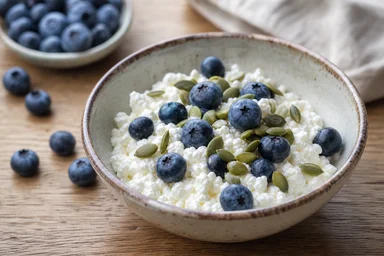
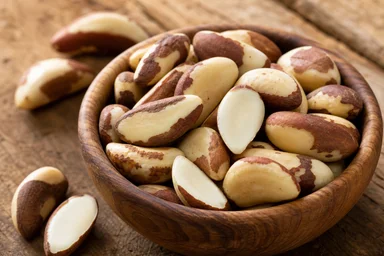
For those who find avocados too expensive or unavailable, other sources of monounsaturated fats include olive oil, nuts, and seeds. A 2024 study on pumpkin seeds found similar anti-inflammatory effects, though the waist circumference link was not examined.
Similarly, edamame and sardines have been tied to other health markers in recent studies, suggesting that variety in your diet matters more than any single food.
Ultimately, this study adds to the evidence that avocados can be part of a healthy eating pattern. But it does not suggest you need to eat them daily or in large amounts. As with all nutrition research, moderation and overall dietary context are key.
This article is for informational purposes only and does not constitute medical advice. Consult a healthcare professional for personalized dietary recommendations.